


Tanya Pakar: Nutrien Penting untuk Tumbesaran & Perkembangan Si Kecil
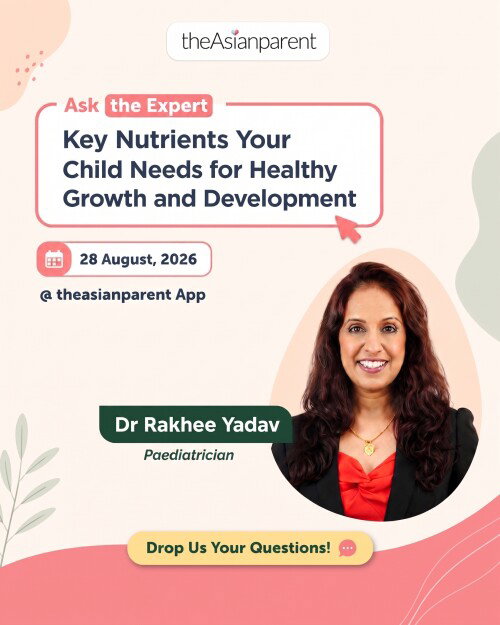
Jom tanya Dr Rakhee Yadav, Pakar Pediatrik, dalam sesi Ask the Expert pada 28 Ogos 2026!


Morning, 1. Is low-sugar formula better than regular formula? 2. Is expensive formula milk better than economical formula milk? 3. My baby has digestive problems, he can't drink regular formula milk (his stomatc cant tolerant = constipation and flatulence ) , he can drink gentle/comfort formula milk (now he drink enfalac ge). Will this continue? Until my child can eat (6 months) or later will his digestion slowly improve? Thank you
Đọc thêmHow can parents ensure their child is getting a balanced range of nutrients each day?

What are some common nutrition mistakes or misconceptions parents should be aware of?
Common nutrition mistakes I see are: “My child must finish everything on the plate.” → Pressure can interfere with a child's ability to recognise hunger and fullness. “Fruit juice is as healthy as fruit.” → Whole fruit provides more fibre and is generally a better choice. “Milk is enough for my toddler.” → Too much milk can reduce appetite for iron-rich foods and contribute to iron deficiency. “Picky eating means my child needs multivitamins.” → Not necessarily. Look at the overall diet and growth pattern first. “More supplements = better growth.” → Excess vitamins and minerals can be harmful. “Healthy food means expensive food.” → Eggs, beans, tofu, sardines, fruits and local vegetables can all be highly nutritious. “One bad meal means my child isn't eating well.” → Nutrition should be assessed over days and weeks, not one meal. “Chubby means healthy.” → Healthy growth is about following an appropriate growth curve, not simply gaining weight.
Are there particular nutrients that are especially important for brain development?
There isn't one “brain food.” Several nutrients are particularly important for brain growth, learning, memory and cognitive development: Iron – essential for brain development and oxygen delivery. DHA (Omega-3) – supports brain and eye development. *MFGM (Milk Fat Globule Membrane): A component naturally found in milk that contains proteins, phospholipids and other bioactive compounds. Emerging evidence suggests MFGM may support cognitive development and immune health, particularly in early childhood. Protein – provides building blocks for brain cells and neurotransmitters. Iodine – important for thyroid hormones and brain development. Choline – supports brain cell membranes and memory pathways. Zinc – involved in brain development and immune function. Vitamin B12 & folate – important for brain and nervous-system development. Vitamin D – supports overall brain and nervous-system function.
What are some signs that a child may not be getting enough of certain nutrients?
Weak bones, bone pain or muscle weakness → possible vitamin D or calcium deficiency Mouth sores, cracked corners of the mouth or a sore tongue → can occur with iron or B-vitamin deficiencies Poor appetite or very restricted food choices → may increase the risk of multiple nutrient deficiencies Hair or skin changes → sometimes associated with inadequate protein, iron or zinc
When might a child need nutritional supplements, and when are they unnecessary?
If a child is growing normally and eating a reasonably varied diet, extra multivitamins generally aren't needed. More isn't always better—excessive doses of vitamins and minerals can be harmful. Think food first, supplements when there is a reason. Supplements may be needed if: Vitamin D – depending on age, diet, sun exposure and local recommendations Iron – if iron deficiency is confirmed or the child is at higher risk Vitamin B12 – particularly with a strict vegan diet Other nutrients – when there is a medically diagnosed deficiency, restricted diet, malabsorption or a condition affecting nutrition
What are the key nutrients children need for healthy growth and development?
Zinc – supports growth, immunity and wound healing Sources: meat, seafood, eggs, dairy, nuts and legumes. Vitamins A, C, E & B vitamins – important for immunity, vision, skin, metabolism and brain function Sources: colourful fruits and vegetables, whole grains, eggs, meat and dairy. Healthy fats – provide energy and help the brain absorb fat-soluble vitamins Sources: avocado, nuts, seeds, olive oil, eggs and oily fish. Carbohydrates + fibre – the main source of energy, especially for active and growing children Sources: rice, potatoes, oats, whole grains, fruits and vegetables.
Are there any nutrients that children commonly don’t get enough of?
Children may be eating enough calories… but are they getting enough nutrients?” The nutrients children dont get enough include Iron, vitamin D, calcium, DHA, fibre and zinc. Growth isn't just about how MUCH your child eats. It's also about WHAT is on the plate
How do children’s nutritional needs change as they grow?
Children’s nutritional needs change as they grow: 0–6 months: Breast milk or infant formula provides the main nutrition. 6–12 months: Introduce complementary foods, focusing on iron, protein, healthy fats, fruits and vegetables. 1–3 years: Small, nutrient-dense meals are important, especially iron, calcium, vitamin D, zinc and healthy fats. 4–8 years: Focus on balanced meals with protein, whole grains, fruits, vegetables and calcium-rich foods. 9–13 years: Nutritional needs increase as children approach puberty. Iron, calcium, vitamin D and protein become particularly important. Teenagers: Growth spurts increase energy and nutrient requirements, especially protein, iron, calcium and vitamin D.