Facial Recognition vs. Biometrics: Is ‘The King Safe’ the Future of Home Security?-My AFB Safe
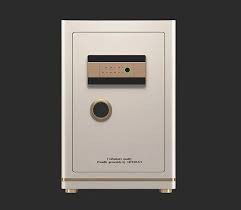
Home security technology has evolved dramatically over the past decade. Traditional locks, keys, and mechanical security systems are increasingly being replaced by intelligent access solutions designed to provide faster and more reliable protection. Among these innovations, biometric authentication has gained significant attention. Homeowners now expect security systems that not only protect valuables but also offer convenience and efficiency. Facial recognition technology is emerging as one of the most promising developments in this field. Devices such as the King Face Recognition Safe demonstrate how modern innovation can transform the way people store and protect their most valuable belongings, potentially redefining the concept of a home safe deposit box Singapore. Biometric security systems rely on unique human characteristics for authentication. Fingerprints, facial patterns, and iris scans all serve as biological identifiers that are difficult to duplicate. Traditional security systems depend on knowledge-based access, such as passwords or PIN codes, which can sometimes be forgotten, stolen, or guessed. Biometrics, on the other hand, link access directly to the user’s physical identity. This shift significantly improves both security and usability. A facial recognition safe combines advanced sensors, artificial intelligence, and secure data processing to verify identity almost instantly. Compared with the conventional safe deposit box model found in banks, these modern home solutions aim to provide similar protection while adding speed and accessibility. One of the most significant advantages of facial recognition technology is hands-free access. In real life situations, users often approach their safe while carrying documents, jewelry, or other valuables. Entering a PIN or scanning a fingerprint may require setting items down first. Facial recognition removes this inconvenience. By simply standing in front of the device, the system identifies the user and unlocks automatically within seconds. This feature can be especially useful during urgent situations when time matters. Instead of fumbling with codes or keys, the user can open the safe quickly and securely. In this way, the King Face Recognition Safe attempts to deliver the convenience of a personal safe deposit box Singapore without requiring complex interaction. Speed is another important factor that distinguishes facial recognition from traditional authentication methods. PIN-based systems require the user to remember and enter a sequence of numbers accurately. Fingerprint scanners require precise finger placement and can occasionally struggle if the finger is wet, dirty, or injured. Facial recognition technology relies on a broader set of features, analyzing facial structure, depth, and unique patterns. Because the scanning process happens automatically, the system can often authenticate a user faster than other methods. When compared with accessing a bank safe deposit box, which may involve identification checks and administrative procedures, facial recognition safes provide immediate access within the privacy of one’s home. Reliability is also a key element in evaluating biometric security. Modern facial recognition systems are built with advanced algorithms capable of distinguishing real faces from photos or digital images. Depth sensors and infrared scanning ensure that the system recognizes a live person rather than a static picture. These safeguards significantly reduce the chances of unauthorized access. Fingerprint systems remain reliable as well, but they depend on the clarity of the fingerprint surface and proper positioning. Facial recognition, by contrast, captures multiple data points simultaneously, which can improve overall accuracy. For homeowners seeking a secure alternative to a traditional safe deposit box, this technology provides both convenience and dependable identity verification. Another advantage of facial recognition safes lies in user experience. Remembering passwords or PIN numbers can be inconvenient, especially when security guidelines recommend frequent changes. Many people also worry about someone observing them entering a code. Facial recognition eliminates these concerns because the authentication process occurs automatically. The user simply approaches the safe and looks toward the sensor. This seamless interaction enhances daily usability and reduces friction. Compared with the formal procedures involved in visiting a bank safe deposit box Singapore, the process feels effortless while still maintaining a strong level of protection for personal valuables. Security technology must also address emergency situations. During stressful moments, such as sudden evacuations or urgent financial needs, quick access to important documents becomes essential. Facial recognition systems are designed to respond instantly without requiring deliberate input from the user. The ability to unlock a safe without touching any surface can be valuable when hands are occupied or when speed is critical. In such cases, the functionality resembles the accessibility of a personal safe deposit box located within the home environment, eliminating the need to travel to an external facility for urgent access. However, comparing facial recognition with fingerprint biometrics raises interesting questions. Fingerprint scanners have been widely used for years and remain a trusted form of authentication. They are compact, relatively inexpensive, and generally accurate. Many safes incorporate fingerprint recognition because it offers a balance between cost and security. Facial recognition technology, while advanced, requires additional hardware components such as cameras and depth sensors. This complexity can increase manufacturing costs. Yet many users consider the added convenience worthwhile. As security devices continue to evolve, manufacturers are exploring ways to integrate multiple authentication options into a single safe deposit box style device for maximum flexibility. Privacy is another factor often discussed in conversations about biometric security. Facial recognition systems must store encrypted facial data in order to identify authorized users. Reputable devices ensure that this information remains stored locally within the safe rather than being transmitted to external servers. Encryption and secure processing are critical to maintaining user trust. When implemented correctly, facial recognition technology can be just as secure as other biometric systems. In fact, the use of advanced encryption methods may make these devices comparable to the protection standards associated with a traditional safe deposit box used for storing valuable documents or assets. Durability and physical protection remain essential features of any security safe. Regardless of the authentication method, the safe itself must resist tampering, drilling, and forced entry. High-quality facial recognition safes are built with reinforced steel bodies, secure locking mechanisms, and anti-tamper alarms. These structural protections ensure that even if someone attempts to bypass the biometric system, the safe remains difficult to open without authorization. This combination of digital intelligence and physical strength helps position these products as a modern alternative to the classic safe deposit box concept that people have trusted for generations. Another interesting benefit of facial recognition safes is the potential for multi-user access. Many households require secure storage that multiple family members can access when needed. Facial recognition systems allow administrators to register several authorized faces, each with unique permissions if necessary. This flexibility eliminates the need to share PIN codes or duplicate keys. It also improves accountability because the system can record which user accessed the safe and when. Such features add a level of oversight that traditional home safes and even some safe deposit box Singapore arrangements cannot easily provide. Looking ahead, the future of home security may rely heavily on intelligent authentication systems. Artificial intelligence continues to improve the accuracy and adaptability of biometric recognition. Facial recognition technology may soon integrate with other smart home systems, allowing security devices to communicate with surveillance cameras, alarm systems, and mobile applications. This integration could create a comprehensive security network where access control, monitoring, and alerts operate together seamlessly. In such an environment, the facial recognition safe could become as essential to home protection as the safe deposit box has historically been to financial institutions. Ultimately, the debate between facial recognition and traditional biometrics is not about replacing one technology with another but about enhancing security through innovation. Each method offers distinct advantages, and many modern safes combine them to create layered protection. The King Face Recognition Safe illustrates how advanced authentication can simplify everyday interactions while maintaining a high level of safety. By offering hands-free access, rapid identification, and intelligent security features, this new generation of safes represents an important step forward. For homeowners seeking a modern alternative to the conventional safe deposit box Singapore, facial recognition technology may indeed represent the future of personal security. Visits us : https://myafbsafe.com.sg