From Concept to Creation: The Logo Design Process Explained-Logo Design Singapore
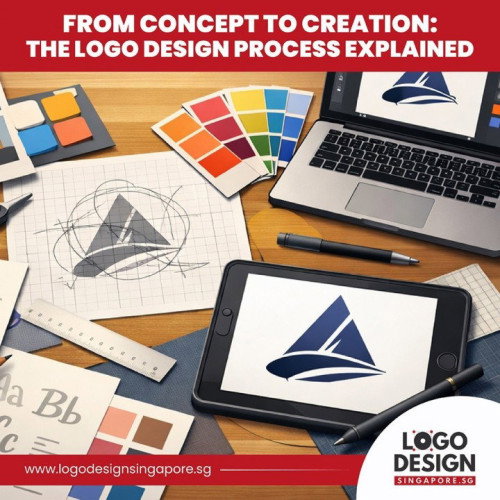
From concept to creation, the journey of designing a logo is a thoughtful and structured process that blends creativity, strategy, and technical precision. A logo is not merely a visual mark; it is the face of a brand, representing its identity, values, and purpose. The process of crafting an effective logo requires a deep understanding of the brand and a clear approach that transforms abstract ideas into a meaningful visual form. In the realm of business logo design, every step plays a critical role in ensuring the final outcome is both impactful and enduring. The process begins with discovery and research. At this stage, the primary goal is to understand the brand in depth. Designers gather information about the company’s mission, vision, target audience, and industry positioning. This phase also involves studying competitors and identifying visual trends within the market. The purpose is not to imitate but to differentiate. By gaining a comprehensive understanding of the brand’s environment, designers can make informed decisions that guide the creative direction. Following research, the next step is defining the brand identity. This involves translating abstract ideas into clear attributes that will influence the design. Words such as modern, trustworthy, innovative, or bold may be used to describe the brand’s personality. These attributes act as a foundation for the visual language of the logo. Without this clarity, the design process can become directionless, resulting in a logo that lacks meaning or consistency. Once the brand identity is established, the ideation phase begins. This is where creativity takes center stage. Designers brainstorm multiple concepts, exploring different visual directions that align with the defined attributes. Sketching is often used during this stage to quickly generate ideas without the constraints of digital tools. The focus is on quantity and exploration rather than perfection. By producing a wide range of concepts, designers increase the likelihood of discovering a unique and compelling solution. Concept development follows ideation, where the most promising ideas are refined and expanded. Designers evaluate each concept based on its relevance, originality, and potential impact. This stage involves simplifying and strengthening the chosen ideas, ensuring they communicate the intended message clearly. Attention is given to shapes, proportions, and overall composition, as these elements influence how the logo is perceived. Typography plays a significant role in the logo design process. The choice of typeface can greatly affect the tone and personality of the design. Designers carefully select or customize fonts that align with the brand identity. Factors such as readability, balance, and uniqueness are considered when working with typography. In business logo design, the integration of text and visual elements must feel cohesive and intentional. Color selection is another crucial aspect of the process. Colors evoke emotions and convey meaning, making them a powerful tool in branding. Designers choose a color palette that reflects the brand’s personality and resonates with its target audience. The selected colors must also work well across different mediums and backgrounds. Consistency in color usage ensures that the logo remains recognizable in various applications. As the design progresses, digital execution becomes essential. Designers use software tools to create precise and scalable versions of the logo. This stage involves refining details, adjusting alignment, and ensuring the design is technically sound. Vector-based formats are typically used to maintain quality at different sizes. The transition from sketch to digital form requires careful attention to detail, as even minor inconsistencies can affect the overall appearance. Feedback and revision are integral parts of the logo design process. Designers present their concepts to stakeholders and gather input to refine the design further. Constructive feedback helps identify areas for improvement and ensures the logo aligns with the brand’s objectives. This stage may involve multiple iterations, with each revision bringing the design closer to its final form. Effective communication between designers and stakeholders is essential to achieve a successful outcome. Versatility is a key consideration during the refinement stage. A logo must perform well across various platforms and formats, including print, digital, and physical applications. Designers test the logo in different sizes, backgrounds, and contexts to ensure it remains clear and recognizable. Simplicity often plays a significant role in achieving versatility, as overly complex designs may lose clarity when scaled down. Another important aspect is scalability. A well-designed logo should maintain its integrity whether it is displayed on a small screen or a large surface. Designers ensure that all elements are proportionate and legible at different sizes. This requires careful planning and testing, as scalability directly impacts the usability of the logo in real-world scenarios. Consistency is also critical in the final stages of the process. Designers create guidelines that outline how the logo should be used across various applications. These guidelines include specifications for color, spacing, typography, and placement. By establishing clear rules, brands can maintain a cohesive visual identity and avoid inconsistencies that may weaken their image. The final delivery marks the completion of the logo design process. Designers provide the logo in multiple formats to accommodate different uses. These may include files for print, digital media, and other applications. Proper organization and documentation ensure that the brand can use the logo effectively across all platforms. Beyond the technical aspects, the success of a logo lies in its ability to communicate and connect. A well-designed logo captures attention, conveys meaning, and leaves a lasting impression. It becomes a symbol that represents the brand in every interaction. Achieving this level of impact requires a thoughtful and disciplined approach throughout the design process. In business logo design, the journey from concept to creation is not a linear path but an iterative process that involves exploration, evaluation, and refinement. Each stage builds upon the previous one, contributing to a cohesive and meaningful final product. Designers must balance creativity with strategy, ensuring that the logo not only looks appealing but also serves its intended purpose. Ultimately, the logo design process is about solving a visual problem. It requires understanding the brand’s needs, translating ideas into visual form, and delivering a solution that resonates with the audience. By following a structured approach and paying attention to every detail, designers can create logos that stand the test of time. The transformation from an initial concept to a finished logo is a journey that demands patience, skill, and insight. Every decision, from the choice of color to the arrangement of elements, contributes to the overall effectiveness of the design. When executed correctly, the result is a logo that not only represents the brand but also becomes an integral part of its identity and success. Visits us : https://www.logodesignsingapore.sg/